Alessandro Ongaro: The VFX of Zach Cregger’s Resident Evil
Alessandro Ongaro shared the process of enhancing iconic moments in Zach Cregger’s Resident Evil through visual effects.
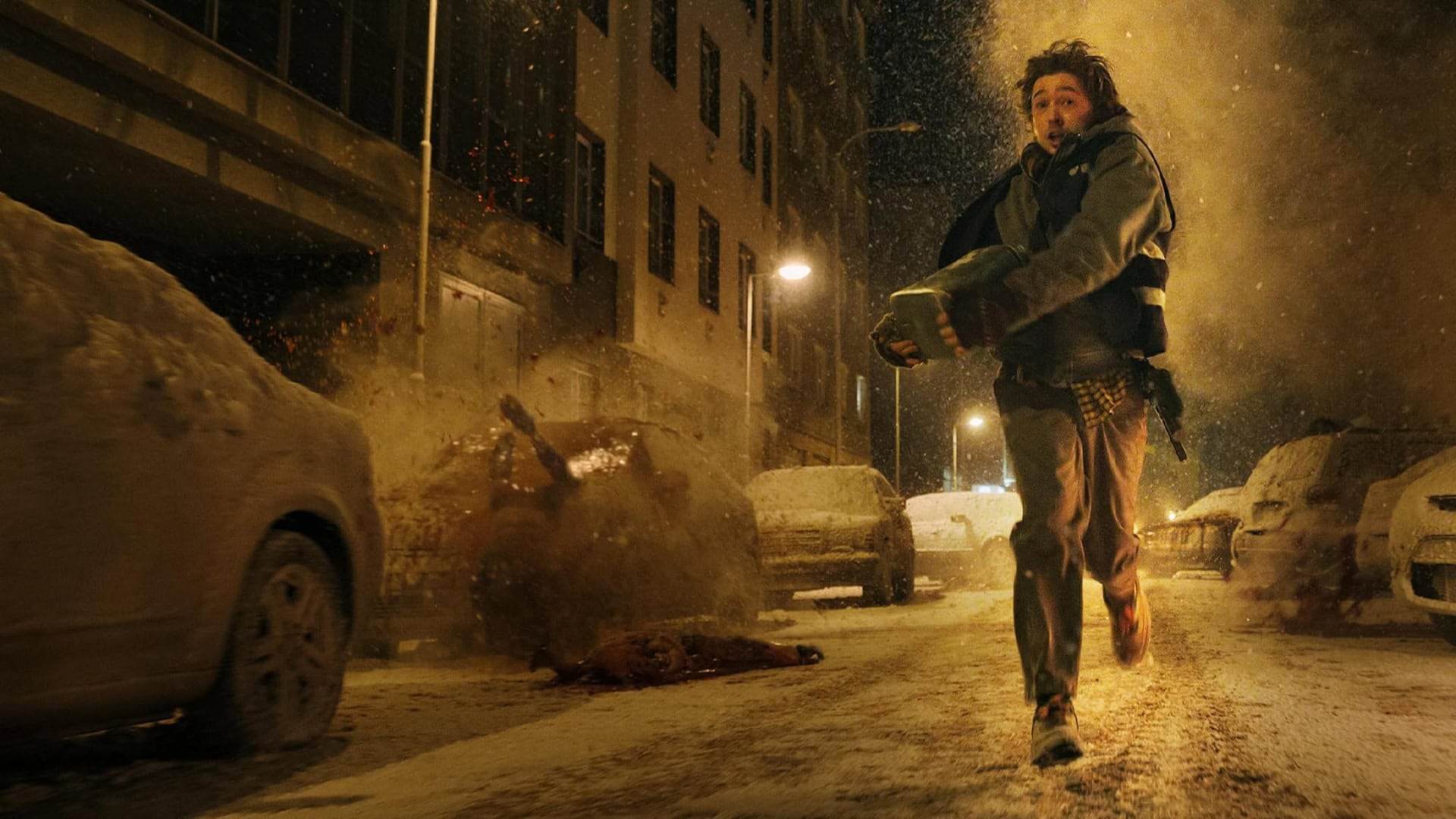
This interview was conducted in partnership with VIEW Conference. Alessandro Ongaro was a featured speaker at VIEW Conference 2026 in Turin, Italy.
Zach Cregger’s Resident Evil was a crazy fun rollercoaster of a film that took the essence of the video game franchise and turned it into an original horror story. As we follow Bryan Hodukavich (impeccably played by Austin Abrams) through a hell of a night delivery, each moment becomes forever embedded in pop culture, and credit is due to the amazing crew that put heart and soul to visually drive Cregger’s story in the most ambitious way. Although the primary mindset was to approach every scene as practically as possible, the reality is that without visual effects, the story could not be told. But that doesn’t mean one craft substituted the other … it was the opposite. Without the practical side, there couldn’t be that grounding, that tactile feel; and without VFX, the story couldn’t have pushed the boundaries of the unreal. The director was looking for a partner he could trust to translate his script into a visual nightmare–and he found it in VFX supervisor Alessandro Ongaro.
Ongaro did not grow up playing Resident Evil, and Zach Cregger did not have much experience in VFX. When the two started collaborating on the project, each story beat was an experiment–trying out different techniques to achieve the goriest, most spectacular result without being afraid of failing fast and combining practical with digital. From incredibly complex creatures such as “The Pedestrian” to filming one of the most iconic gauntlet, near-miss sequences of all time, Resident Evil is packed with terrifyingly fun visual effects–which Alessandro Ongaro covered in detail.
The Pedestrian
You know it’s going to be a wild ride when Bryan witnesses the first body assimilation of Resident Evil’s deadly virus. Starting with the lady in the red dress, the creature quickly evolved into an amalgam of people–a ball of limbs determined to assimilate the protagonist. Initially, Cregger was adamant on achieving this practically, but after several tests involving incredibly talented stage performers, the unnatural physicality was just impossible to reach. “No matter how good they were, they always looked like humans strapped together from their backs. The bodies are connected neck to neck and shoulder to shoulder, and that already doesn’t work. You cannot do it because the way the creature was propelling itself with the leg of one side and then flipping over on the other side while its arms were touching things was impossible to do practically,” so Ongaro requested a week from the director to do a full CG test with Wētā, and the rest is history.
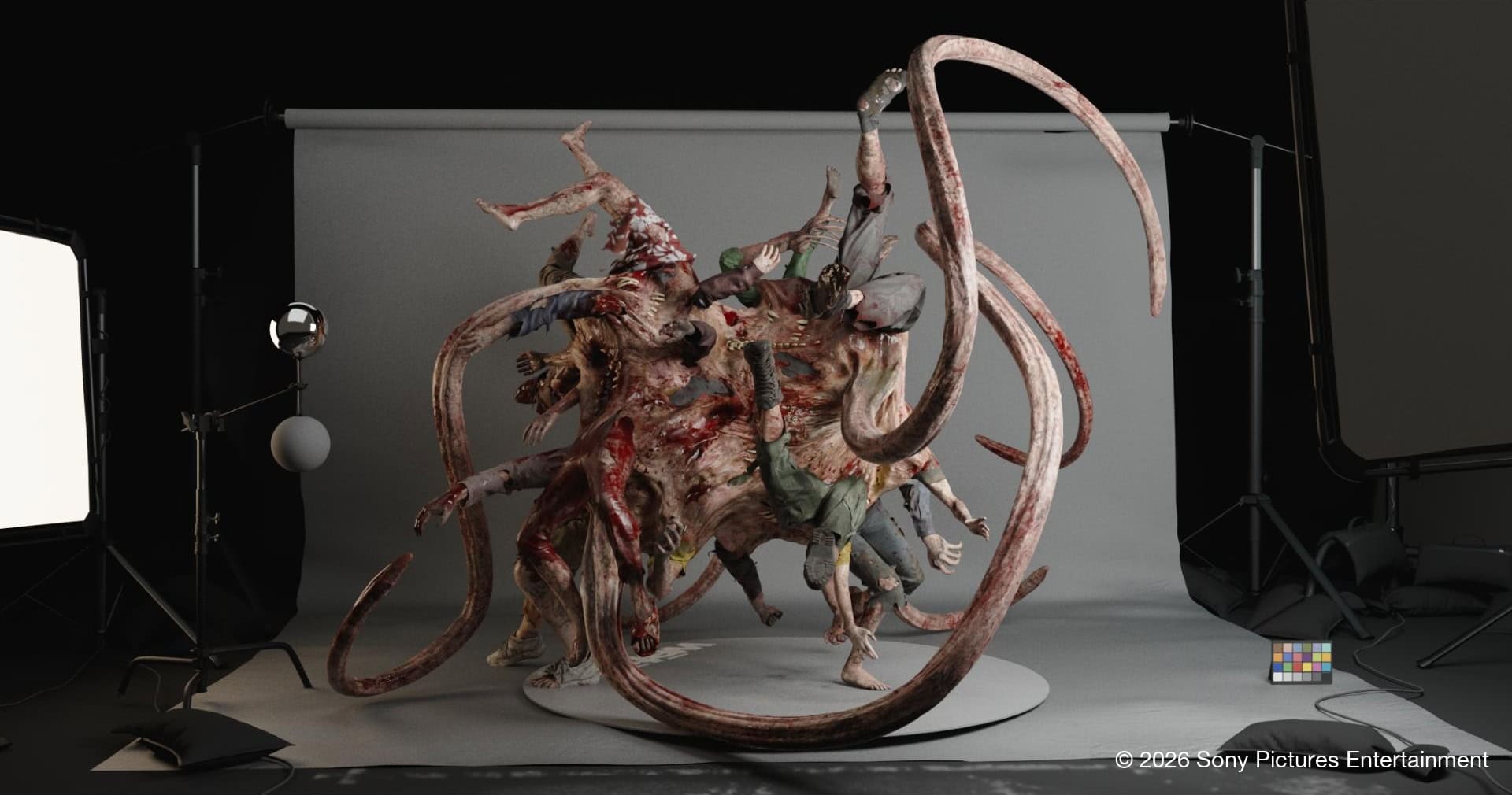
The monster’s iconic entrance (which intrigued the viewers since the teaser trailer) where its limbs grabbed onto all corners of the front door was also attempted practically. The VFX supervisor explained, “On set, the performers did a few passes–putting their hands and legs in different directions. Good lighting reference, but the timing and weight balance were not accurate with the way that the creature was supposed to behave, which dictated our approach,” and led the team to once again choose CG. As The Pedestrian continued to assimilate, so did its complex physicality, especially in its final form when we see it in the hallway chasing Bryan: “If you look at that shot in loop, you will see that every limb interacts with the environment … it kicks the wall, grabs something with its tentacles, etc. It’s a creature as a whole, even though it’s made of multiple limbs.” Ongaro did admit that he initially had his doubts about The Pedestrian, but the more the creature started coming together, the more he fell in love with it.
The Fat Man
Probably the spookiest creature in Resident Evil was “The Fat Man”. The sedentary sewer monster (the reason for his whereabouts are still unknown) may not seem a major threat at first, but the release of the countless rats is a total surprise for the audience–and one that was fun to execute. This is the perfect example of how practical and digital perfectly blended together: “This was a 2000-pound prosthetic puppet built by Legacy [Effects] … it was so heavy that when it was placed, it couldn’t be moved. Usually, we scan every asset even if we’re not doing CG, but we couldn’t move it to the proper stage, so we had to do photogrammetry on site.” Ongaro added, “It was puppeteered by three artists from Legacy. They were under the ground, doing the breathing and bobbing movements, including when the stomach ripped open and then he fell back and opened his mouth. We shot the first part of the scene, then the day after we did the aftermath where the rats came out. They built all the broken pieces, the damage, the guts, the blood, so when we cut it, we couldn’t uncut it. Of course, we did some work to allow for the tearing of the belly, but we kept it practical and it worked.”
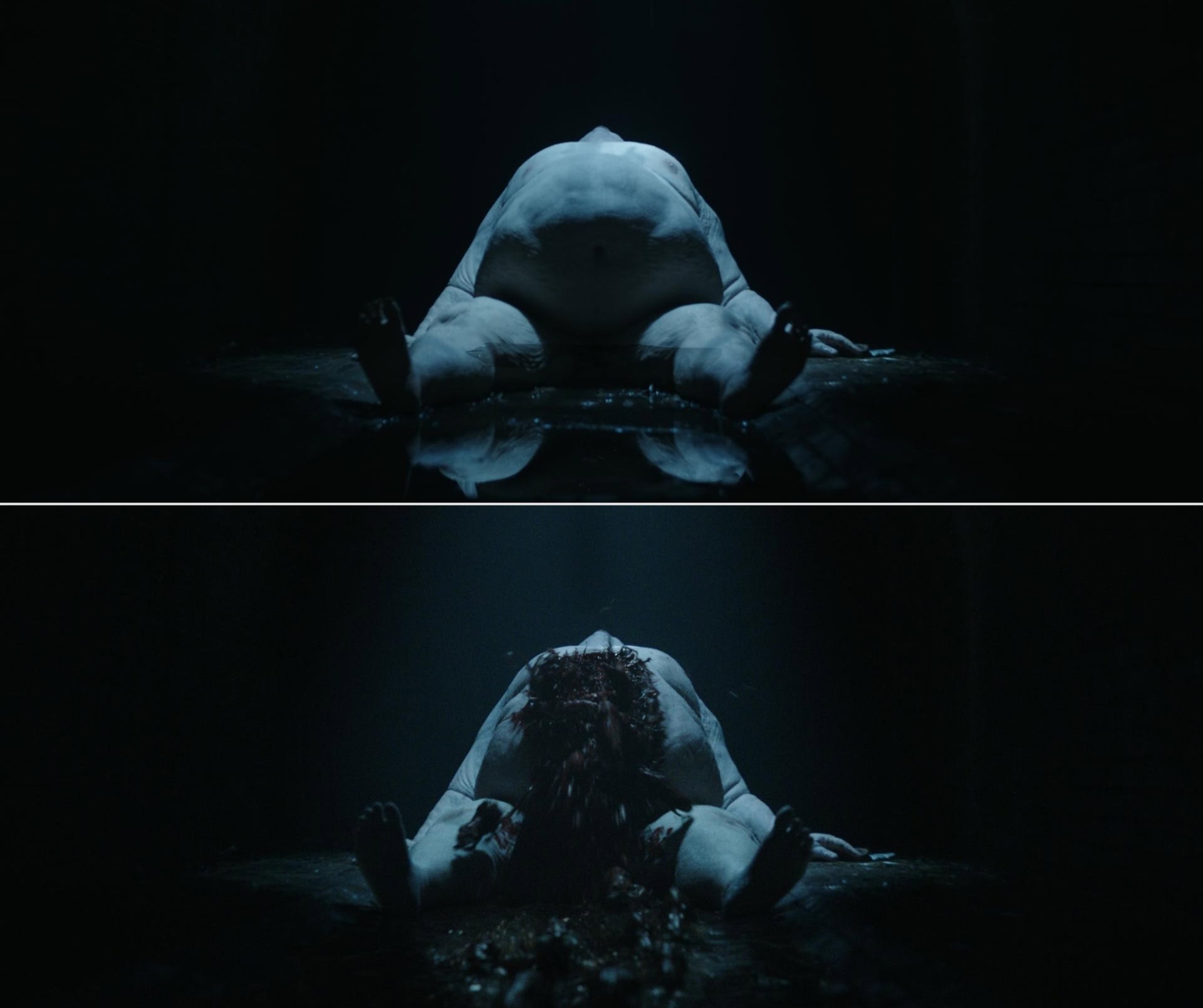
Alessandro Ongaro emphasized that keeping it as practical as possible helped the rat burst feel grounded. In another production, this could have been a full CG shot, but not as visually impactful and as terrifying as it was in the final cut. Even when Bryan reacted to the threat with the machine gun, “we used all blanks, so it was always a muzzle flashing camera–he had the kickback from the weapon and the shell cases flipping up. Some of the water splashes were real … we had charges raised by special effects. There’s a lot of practical stuff even when the rats are going through. We added more splashes for integration, but there were so many things that happened for real … that is your reference, and you can’t deviate from that. That’s what made the effects stay grounded and real,” he revealed.
“You [either] have Bryan running in a street with nothing happening and pretending to react to things, and you do everything in CG, or you do as much as you can practically and then enhance it … so that’s what we did.”
Jump Street
Arguably the film’s most memorable scene is “Jump Street”. Bryan is on his way to deliver the cure to the hospital but soon realizes he is in deep trouble as zombies start dropping from the rooftops, splashing on the ground inches away from his path. This is Ongaro’s absolute favorite moment in the film, sharing that “there’s nothing really in that scene that I don’t like the way it was executed. You know, I’m very critical of my work, but that scene in particular, I love every bit of it.” Putting it together was a momentous task involving several elements–stunts, special effects, and eventually VFX: “You [either] have Bryan running in a street with nothing happening and pretending to react to things, and you do everything in CG, or you do as much as you can practically and then enhance it … so that’s what we did.”
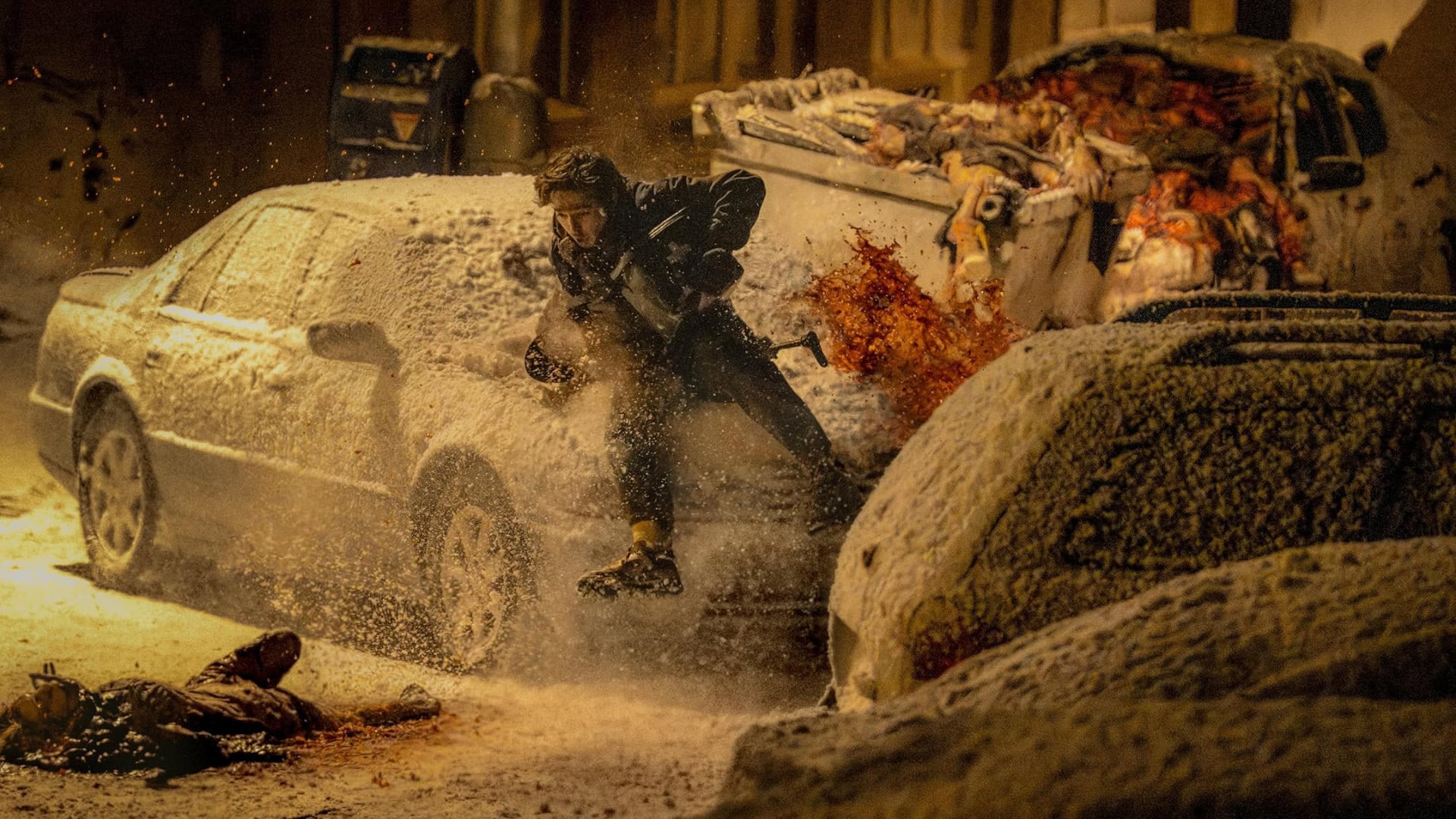
The street was locked down for three nights. To simulate the bodies falling, around 50, 140-pound bags filled with blood and body parts were dropped from the rooftops–perfectly synced with Bryan’s run. Austin Abrams did each take without a stunt double–and got nearly hit by one of the bags; some of the cars had a hydraulic system inside to pull the roof down to accentuate the zombie impact; then Wētā worked their magic to heighten the stakes and the gore levels–adding 107 CG bodies and enhancing every impact with extra blood splatter and dismemberment. The scene began with the first jumper (aka the “Fast Food Worker”), which Ongaro explained “was originally a stunt. The plan was to use the real stunt up to two thirds of the fall and then take over [with VFX] because we wanted to make sure it felt real. The problem was that the rigging system used to slow down was triggering too early, so it didn’t feel like true falling. In the end, we replaced it completely in CG. We kept the element of the bag breaking the bus station, so that’s all practical, but the jump itself was all CG.”
Alessandro Ongaro added that, besides painting out wires and production machinery, the team had to extend the street on both sides, add a CG hospital at the end of the road, and fill a large gap on the left side with an entirely CG building. Then they dealt with the snow–one of the most challenging invisible VFX in Resident Evil. The work for Jump Street spanned across the entire course of post production, making sure the scene would keep the audience at the edge of their seats–beginning to end.
The Bryan Monster
Bryan’s luck runs out at the end of Resident Evil. Although he successfully delivers the cure, the bizarre virus takes over his body, and the result is a grotesque monster that is the ultimate visual callback to the video games. There were three stages of mutation: the beginning where the infection is starting to propagate to the neck; the mid phase where Bryan has a big tentacle for his arm and assimilates the first scientist; then the final form where all there is left of his humanity is half of his face. Originally, this transformation was mostly hidden by the smoke, up until the end when the big reveal was in the skybridge, but it “felt that we were disconnecting from Bryan as a character too quickly, so we decided to add around fifteen extra shots–and it had to be with Austin’s face. The only way to do that was in CG. It wasn’t too crazy of an approach, but it still required a full digital double that looked like Austin … you still have to get his expressions while the monster inside of him is trying to kill everyone–Bryan wants the cure and the monster just wants to assimilate.” Ongaro revealed how they were able to achieve it: “We went very technical and worked with Eyeline Studios in LA. We used their volumetric capture studio (a dome with hundreds of cameras) and captured Austin’s performance, then gave all the data to Wētā so they could recreate the digital version on screen–maintaining all his expression and likeness, plus the monster. The nice thing about the Bryan creature in respect of The Pedestrian is that it’s still a biped, so it allowed us to be a little bit less restrictive or more focused on what he was doing. A lot of that stuff was done some through Austin’s performance and some was keyframe animation. I think that the result was pretty cool.”
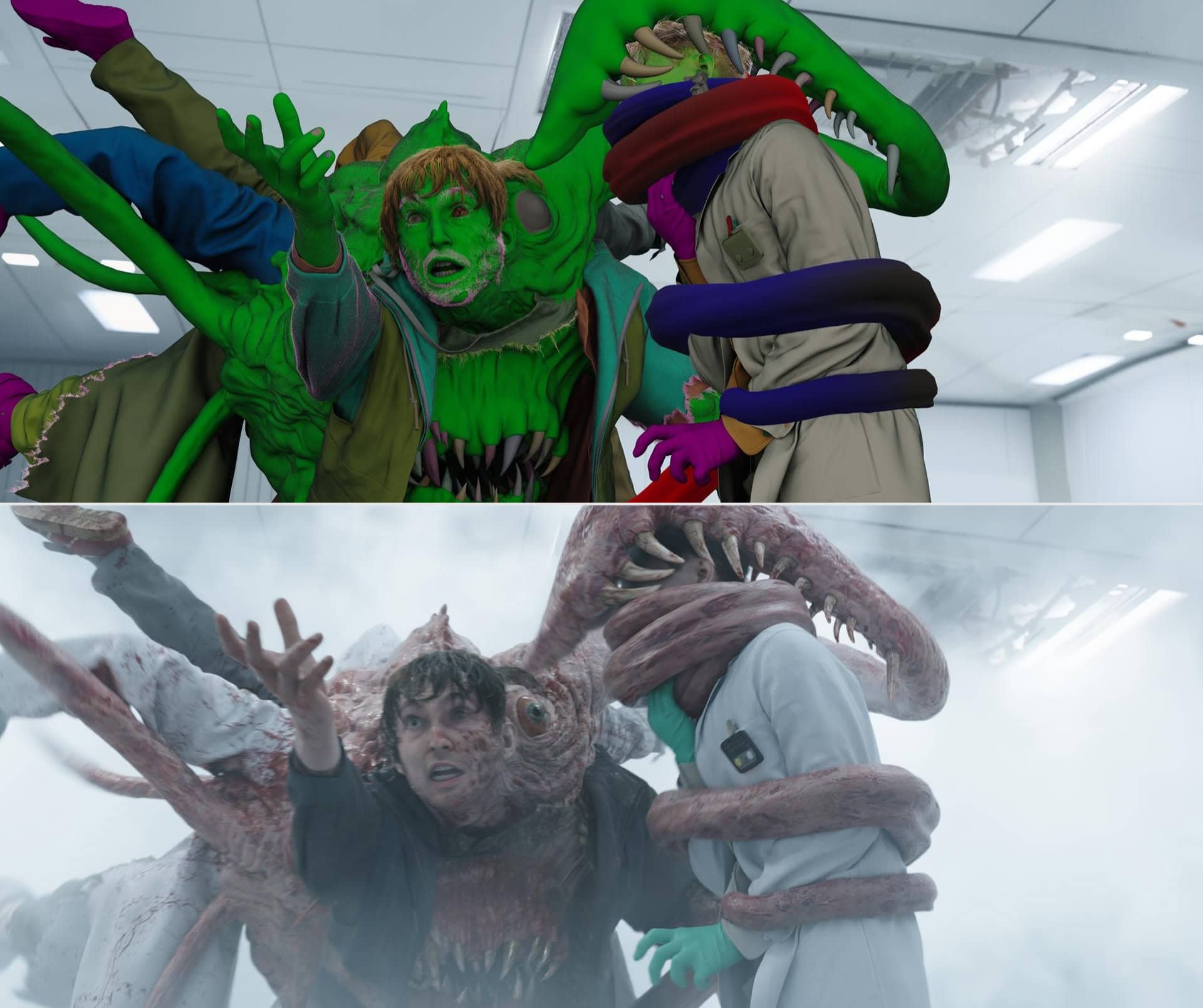
Resident Evil is now the best franchise adaptation of all time and Cregger’s highest grossing film. It encapsulates the essence of the video games while delivering an original story that has the perfect balance of comedy and dread. Bringing such a tale to life could not have been accomplished if it wasn’t for the outstanding practical crafts and most importantly without visual effects, which elevated each beat while keeping everything grounded. If you missed Alessandro Ongaro’s talk at VIEW Conference 2026, you can still experience it on-demand starting November 27!